Most homeowners notice the obvious problems: a breaker that keeps tripping, an outlet that stops working, or lights that suddenly flicker. But electrical issues aren't always dramatic. Sometimes, the signs are subtle and easy to overlook.
And in an older home, an electrical system that was perfectly adequate decades ago may not be equipped for the number of appliances, electronics, and high-powered systems we use today.
From EV chargers and hot tubs to modern kitchens, HVAC equipment, home offices, and entertainment systems, today's homes put very different demands on their electrical systems.
So how do you know when your home might need an electrical upgrade?
Here are 10 signs to watch for—and when it's worth calling a professional.
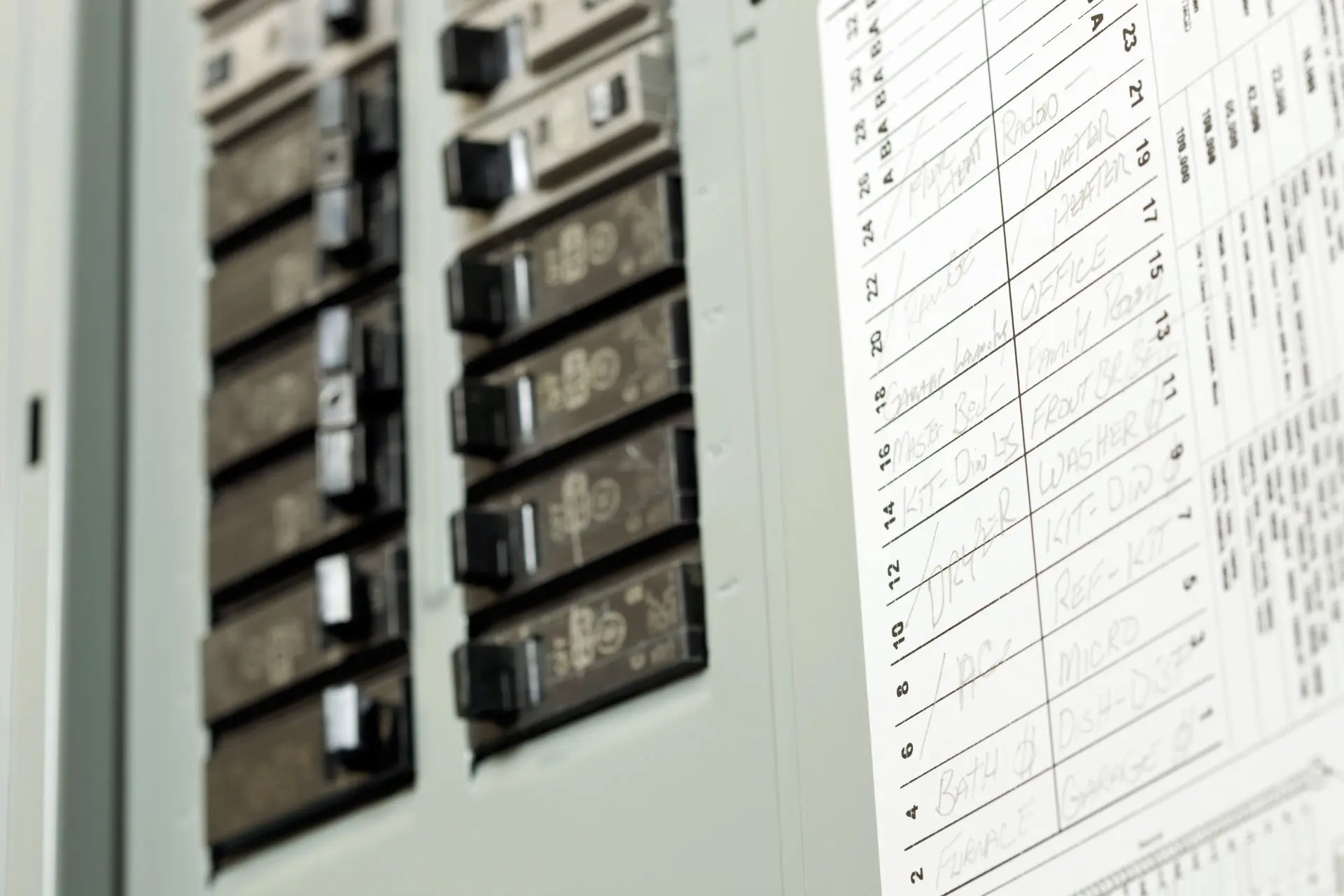
1. Your Circuit Breakers Trip Frequently
An occasional tripped breaker isn't necessarily a cause for concern. Circuit breakers are designed to shut off power when a circuit becomes overloaded or experiences an electrical fault.
But if you're constantly resetting breakers, there's a reason.
Frequent trips can indicate that a circuit is being asked to handle more electrical load than it was designed for. It can also point to a faulty appliance, damaged wiring, a short circuit, or another electrical problem that needs to be investigated.
For example, you might notice that the breaker trips whenever you run your microwave and toaster at the same time. Or perhaps your bathroom circuit shuts off whenever you use a hair dryer.
That may be your home's way of telling you the circuit isn't keeping up with your current electrical demands.
What should you do?
Don't simply keep resetting the breaker and hope the problem goes away.
A licensed electrician can determine why the breaker is tripping and whether the solution is as simple as addressing a single appliance or whether your electrical system needs an upgrade.
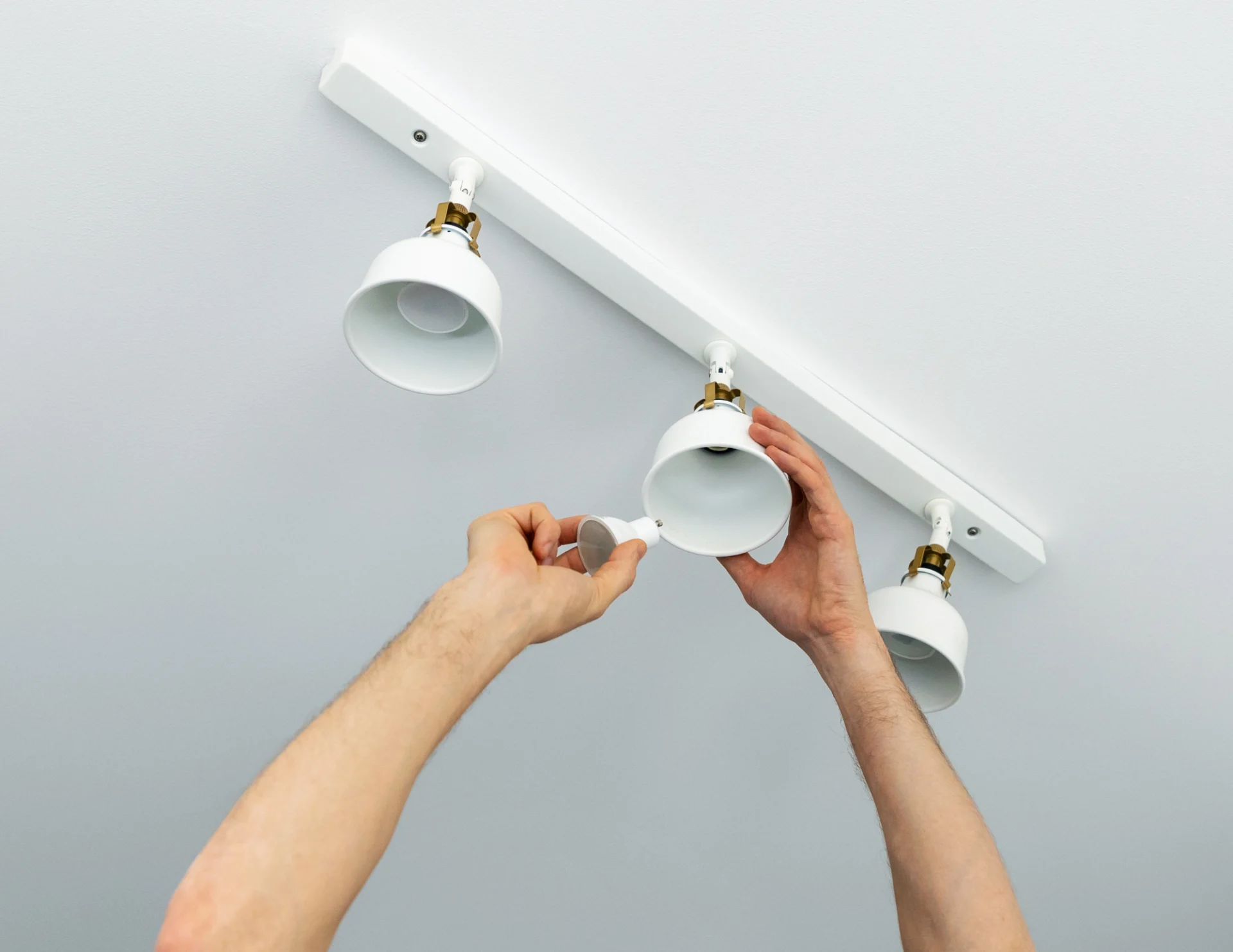
2. Your Lights Flicker, Dim, or Suddenly Get Brighter
Flickering lights can be annoying, but they're also worth paying attention to.
If your lights dim when a large appliance turns on, flicker unexpectedly, or seem to fluctuate in brightness, there could be an issue with the circuit, wiring, connections, or the electrical load in your home.
You might notice this when your:
- Air conditioner starts
- Furnace turns on
- Microwave runs
- Refrigerator cycles
- Washer or dryer starts
- Other high-powered equipment kicks on
Occasional flickering from a particular light fixture could be a fixture or bulb issue. But widespread or recurring flickering deserves a closer look.
This is particularly important if the problem is getting worse or is accompanied by buzzing, burning smells, warm outlets, or tripped breakers.
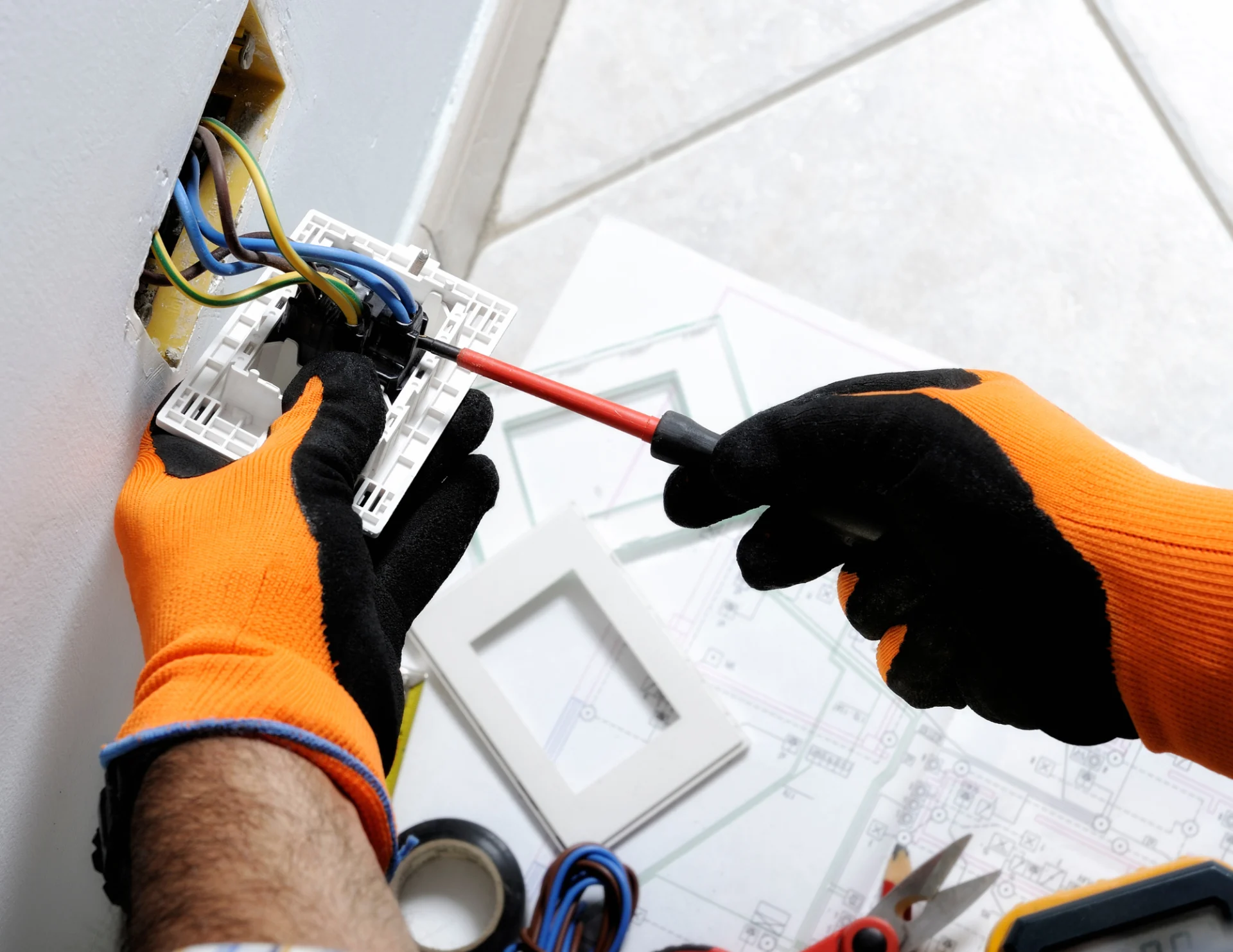
3. Your Outlets Are Warm, Discolored, or Damaged
Your electrical outlets should not feel hot.
If an outlet is warm to the touch, has brown or black discoloration, appears melted, or shows signs of scorching, stop using it and have it inspected by an electrician.
These can be signs of excessive heat, loose connections, overloaded circuits, or other electrical problems.
You should also pay attention to outlets that:
- Spark frequently when plugging something in
- Feel loose
- Don't hold plugs securely
- Make buzzing or crackling sounds
- Stop working intermittently
A damaged outlet isn't necessarily a sign that your entire electrical system needs to be replaced, but it shouldn't be ignored either.
An electrician can determine whether the problem is isolated to the outlet or part of a larger wiring or circuit issue.
4. You Rely on Extension Cords and Power Strips Everywhere
Extension cords are convenient. But if you're using them as a permanent solution because your home doesn't have enough outlets, it may be time to look at the electrical system itself.
Modern homes require significantly more electrical access than homes did decades ago.
Think about everything that may be plugged in around a typical home office:
- Computer
- Monitors
- Printer
- Speakers
- Phone chargers
- Desk lamp
- Router
- Other electronics
The same thing happens in kitchens, garages, bedrooms, living rooms, and workshops.
If you're constantly running extension cords across rooms or plugging multiple power strips into one another, you may need additional outlets or circuits.
Adding properly placed outlets during an electrical upgrade can make your home safer, more convenient, and better suited to the way you actually use it.
5. Your Home Still Has Two-Prong Outlets
If you have an older home with two-prong outlets, it's worth having your electrical system evaluated.
Two-prong outlets generally indicate that the electrical system may not have an equipment grounding conductor at those locations. Many modern appliances and electronics are designed to work with grounded electrical systems.
That doesn't automatically mean your entire electrical system needs to be replaced. Depending on the home's wiring and the specific situation, there may be several options for improving electrical safety and functionality.
An electrician can evaluate the existing wiring and determine what upgrades make sense.
This is particularly worth considering if you're remodeling an older home or adding new appliances and electrical equipment.
6. Your Electrical Panel Is Outdated or Can't Keep Up
Your electrical panel is essentially the control center for your home's electrical system.
If your panel is outdated, undersized, damaged, or doesn't have enough capacity for your home's current needs, an electrical panel upgrade may be appropriate.
One obvious sign is simply running out of available breaker spaces.
For example, maybe you want to add:
- An EV charger
- A hot tub
- A new HVAC system
- A workshop circuit
- A home addition
- Kitchen appliances
- A backup generator
If your panel doesn't have the capacity to support the additional electrical load, adding another appliance isn't as simple as plugging it in.
An electrician can evaluate your current electrical usage, panel capacity, and planned upgrades to determine whether a panel upgrade or another solution is appropriate.
Don't judge your panel by age alone
An older panel isn't automatically unsafe, and a newer panel isn't automatically problem-free.
The condition, capacity, wiring, installation, and overall electrical configuration matter.
That's why an electrical evaluation is more useful than simply looking at the year your panel was installed.
7. You're Adding an EV Charger, Hot Tub, or Other High-Powered Equipment
One of the biggest reasons homeowners need electrical upgrades today is the addition of equipment that requires substantial electrical capacity.
Electric vehicles are a great example.
Installing an EV charger isn't necessarily as simple as installing a new outlet in the garage. Depending on the charger and vehicle, the installation may require a dedicated circuit and an evaluation of your home's electrical capacity.
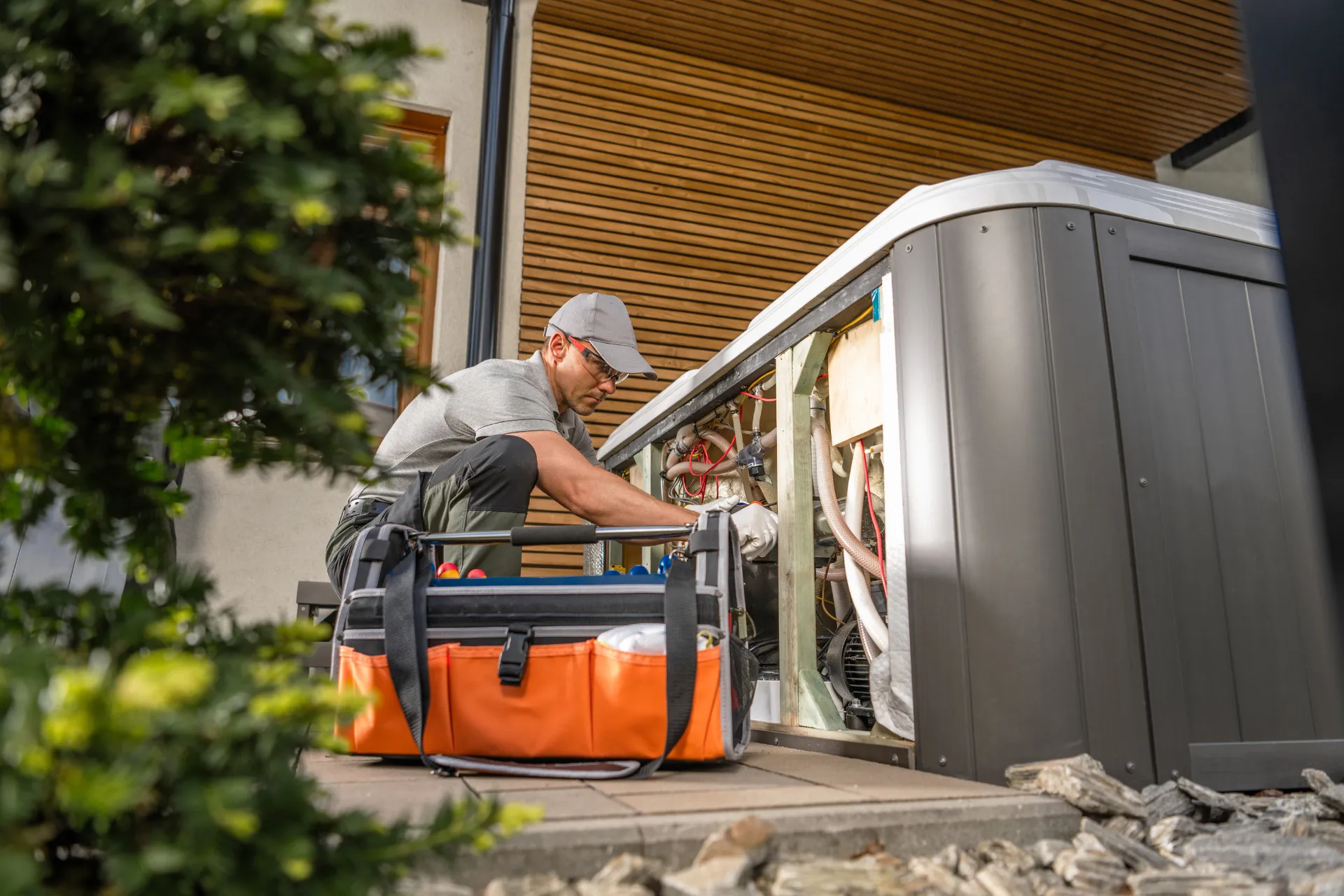
The same applies to hot tubs, certain HVAC systems, electric ranges, workshops, and other high-powered equipment.
Before purchasing or installing major electrical equipment, it's smart to determine whether your current electrical system can support it.

Planning a new electrical project?
Have the electrical requirements evaluated before installation—not after you've already bought the equipment.
A professional can identify potential capacity issues and determine what needs to be upgraded.
8. Your Home Is Older and the Electrical System Has Never Been Updated
Older homes can have plenty of character. They can also have electrical systems that weren't designed for modern life.
A home that was built when people had a handful of lights, a refrigerator, and a television may now be powering:
- Multiple large-screen TVs
- Computers
- Gaming systems
- Smart home devices
- Multiple refrigerators and freezers
- High-powered kitchen appliances
- HVAC equipment
- EV chargers
- Hot tubs
- Home offices
- Workshop equipment
The age of your home doesn't automatically mean you need an electrical upgrade.
However, if you have an older home and don't know when the electrical system was last evaluated, it's worth having a professional take a look—especially before a major renovation.
9. You're Planning a Major Home Remodel
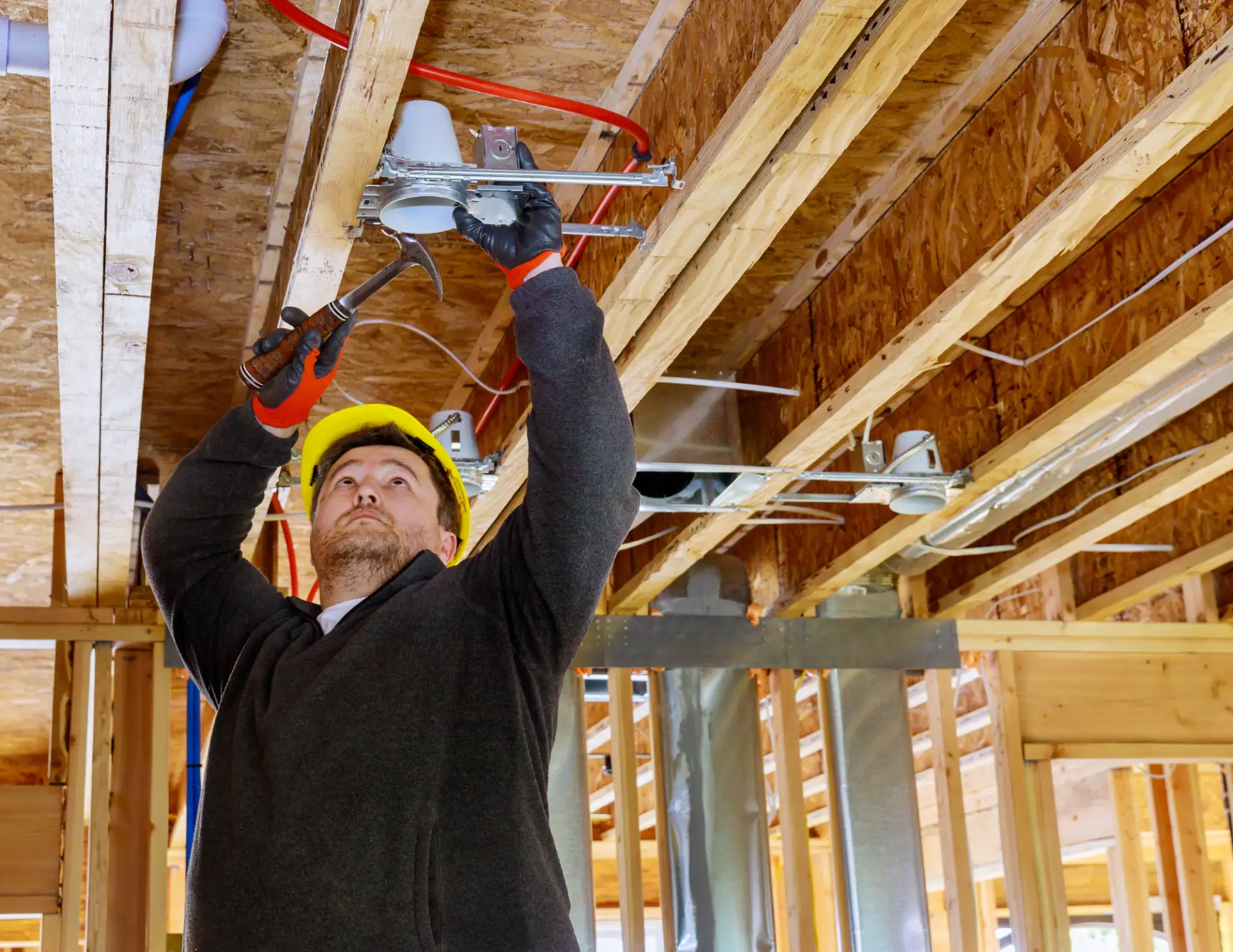
A remodel is one of the best opportunities to address electrical needs before walls are closed up and finished.
Moving walls, changing a kitchen layout, finishing a basement, adding a bathroom, or creating a new living space can all change how your home needs to be powered.
A kitchen remodel, for example, may involve several new or relocated appliances and electrical components.
A basement remodel may require new lighting, outlets, dedicated circuits, entertainment equipment, or other electrical work.
A bathroom renovation may involve lighting, outlets, ventilation, and other electrical considerations.
Rather than treating electrical work as an afterthought, it's worth considering it as part of the overall remodeling plan.
Remodeling your home?
Talk through your electrical needs early in the design process.
It can be much easier to plan for additional outlets, lighting, dedicated circuits, and other electrical improvements before the walls are finished.
10. Your Home Doesn't Work the Way You Need It To
This may be the simplest sign of all.
If you're constantly adapting your life around your home's electrical system, it may be time for an upgrade.
Maybe your home office doesn't have outlets where you need them.
Maybe your garage doesn't have enough power for the tools you use.
Maybe you're running extension cords across the basement.
Maybe you can't install the EV charger you want without worrying about your panel capacity.
Maybe your kitchen layout works—but the outlets don't.
Electrical upgrades aren't only about fixing problems. They can also make a home function better.
What Does an Electrical Upgrade Include?
There's no single definition of an "electrical upgrade."
Depending on the home and the problem, an upgrade could involve something relatively small, such as adding an outlet or replacing a damaged receptacle.
It could also involve a much larger project, such as:
- Electrical panel upgrades
- Adding dedicated circuits
- Installing additional outlets
- Upgrading lighting
- Replacing outdated wiring
- EV charger installation
- Hot tub electrical installation
- Generator installation
- Electrical work as part of a remodel
- Improving electrical capacity for new appliances
The right solution depends on your home's existing system and what you're trying to accomplish.
Do You Need an Electrical Inspection?
If you're experiencing multiple electrical issues—or you're simply unsure about the condition of your home's electrical system—an electrical inspection can help identify potential problems.
An electrician can evaluate things such as the panel, wiring, outlets, circuits, and overall electrical configuration.
An inspection can be especially useful when you're:
- Buying an older home
- Selling your home
- Planning a major remodel
- Adding an EV charger
- Installing a hot tub
- Adding a generator
- Experiencing recurring electrical problems
- Adding major appliances
- Unsure whether your current system can handle an upgrade
The goal isn't necessarily to replace everything.
A good electrical evaluation should help you understand what your home actually needs—and what it doesn't.
How Much Does an Electrical Upgrade Cost?
The cost of an electrical upgrade varies considerably depending on the work involved.
Replacing a single outlet is obviously very different from upgrading an electrical panel or rewiring portions of a home.
Factors that can affect the cost include:
- The age and condition of the electrical system
- The size of the home
- Existing electrical capacity
- The type of panel
- Accessibility of wiring
- Number of circuits involved
- Whether walls need to be opened
- Local code requirements
- The equipment being installed
- The scope of the project
If you're considering an electrical upgrade, getting an evaluation and detailed estimate is the best way to understand what your particular home needs.
What About Electrical Work During a Remodel?
If you're already planning a remodel, it's worth thinking beyond the finishes.
New cabinets, countertops, flooring, and paint can completely change how a space looks—but electrical improvements can change how it functions.
For example, a kitchen remodel may be an opportunity to add:
- Better task lighting
- Under-cabinet lighting
- More conveniently located outlets
- Dedicated appliance circuits
- Island outlets
- Charging locations
A basement remodel might be the perfect time to add additional outlets, lighting, entertainment circuits, or power for a home office.
Planning electrical work alongside the remodel can also help reduce the need to reopen finished walls later.
When Should You Call an Electrician?
Some electrical projects are straightforward, but electrical work is not a good area for guesswork.
Call a qualified electrician if you're experiencing recurring electrical problems, planning a major electrical installation, or aren't sure whether your home's system can safely handle a new load.
And if you notice signs such as burning smells, smoke, sparking, melted components, or significant heat around electrical equipment, treat those as urgent concerns and stop using the affected equipment or circuit until it can be evaluated.
The Bottom Line
Your home's electrical system should support the way you live—not force you to work around it.
Frequent breaker trips, flickering lights, damaged outlets, an outdated panel, excessive extension-cord use, or plans for an EV charger or hot tub can all be reasons to have your electrical system evaluated.
And you don't necessarily need a massive electrical overhaul.
Sometimes the right solution is a relatively simple upgrade. Other homes may benefit from a larger project that improves capacity, safety, and functionality.
If you're in Colorado Springs and you're experiencing electrical problems—or you're planning a remodel, EV charger, hot tub, generator, or other project that will increase your home's electrical needs—HOMEfix can help you determine what your home needs and take care of the work.
One team. Every service.
Frequently Asked Questions
How do I know if my house needs an electrical upgrade?
Common signs include frequently tripped breakers, flickering lights, warm or discolored outlets, excessive use of extension cords, an outdated electrical panel, or difficulty adding new high-powered equipment. An electrician can evaluate your system and determine whether an upgrade is necessary.
How often should a home's electrical system be inspected?
There isn't one inspection schedule that applies to every home. Older homes, homes with recurring electrical issues, and homes undergoing major renovations may benefit from an electrical evaluation.
Can I add an EV charger to my existing electrical panel?
Possibly. The answer depends on your panel's capacity, existing electrical load, the charger being installed, and other factors. An electrician should evaluate the system before installation.
Does an older home always need new wiring?
No. The age of a home alone doesn't determine whether its wiring needs to be replaced. The condition and type of wiring, electrical capacity, previous modifications, and current demands all matter.
Can electrical work be done during a home remodel?
Yes—and remodeling can be an excellent opportunity to address electrical needs. Adding outlets, lighting, dedicated circuits, and other electrical improvements is often easier when walls and ceilings are already being opened as part of the project.