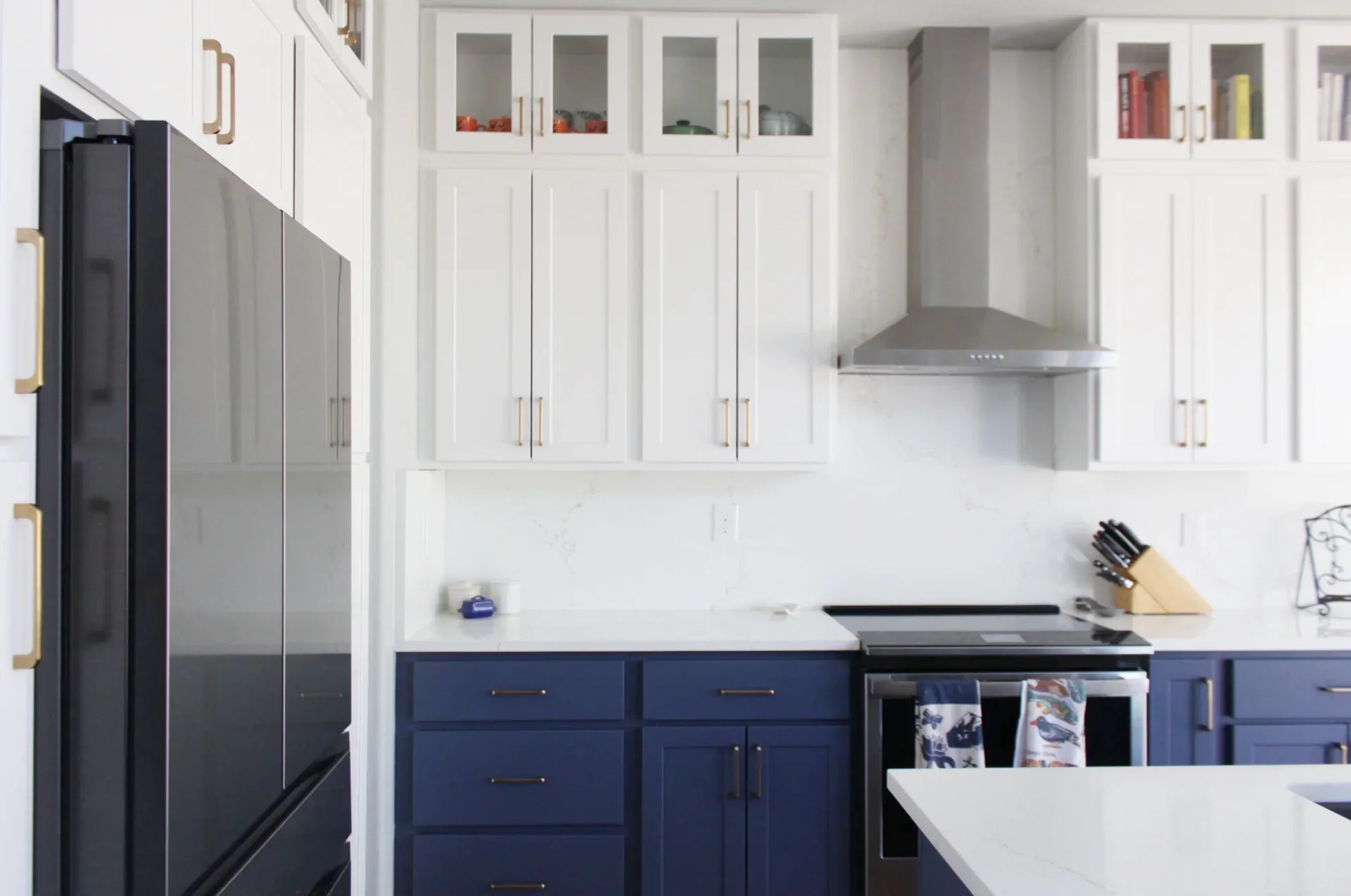
Colorado winters can be unpredictable. One week might bring sunny afternoons and mild temperatures, while the next delivers freezing weather, snow, and strong winds. For homeowners in Colorado Springs, those seasonal changes can put extra demands on a home's heating system, roof, windows, plumbing, and electrical systems.
That's why fall is a smart time to evaluate your home before winter arrives.
Some improvements can make your home more comfortable when temperatures drop. Others can help address potential problems before snow, ice, and freezing conditions make repairs more complicated. And some upgrades can improve energy efficiency, reduce everyday frustrations, and make your home better suited to Colorado's climate year-round.
The key is knowing which projects deserve your attention first.
Whether you're planning a major renovation or simply want to make a few strategic improvements, here are 10 home improvements to consider before winter in Colorado, along with tips for deciding which projects make the most sense for your home.
Why Prepare Your Home for Winter in Colorado?
Colorado's climate creates a unique combination of challenges for homeowners.
In the Pikes Peak region, homes may experience freezing temperatures, snow, wind, intense sunshine, and significant temperature swings. Those conditions can affect everything from roofing materials to exterior seals and indoor comfort.
For example, a drafty window may become much more noticeable when cold winds arrive. An aging furnace may struggle to maintain comfortable temperatures during a cold snap. Gutters that don't drain properly can contribute to ice buildup, while poorly protected plumbing can be vulnerable to freezing temperatures.
Winter preparation isn't just about preventing problems. It's also an opportunity to make your home more comfortable and functional.
Before investing in upgrades, consider which issues you're already experiencing. Are certain rooms always colder than others? Does your heating system run constantly? Have you noticed damaged shingles, drafts, or outlets that can't accommodate your needs?
Those observations can help you prioritize improvements that deliver real benefits instead of spending money on upgrades you don't need.
1. Upgrade Drafty or Inefficient Windows
Windows play a major role in your home's comfort during winter.
If your windows are outdated, poorly sealed, or damaged, cold air may enter around the frames while heated indoor air escapes. This can make rooms uncomfortable and force your heating system to work harder to maintain the temperature you want.
Not every older window needs to be replaced, but noticeable drafts and persistent comfort problems are worth investigating.
Signs your windows may need attention
Look for these common warning signs:
- Cold air entering around closed windows
- Noticeable drafts on windy days
- Condensation between glass panes
- Windows that are difficult to open or close
- Damaged weatherstripping or deteriorating seals
- Visible rot or deterioration around frames
- Rooms that remain uncomfortable even when the heat is running
Condensation deserves a closer look. Some moisture on the inside of a window can result from indoor humidity and cold glass, while condensation between panes in an insulated glass unit often indicates a failed seal.
Understanding the cause helps you determine whether repairs, improved weatherstripping, humidity management, or replacement is appropriate.
Should you replace your windows before winter?
If your windows are significantly damaged, drafty, or no longer performing well, replacing them before winter may improve comfort.
Modern replacement windows can offer better insulation and tighter sealing when correctly selected and installed. However, the actual improvement depends on the condition of your existing windows, the products you choose, and the quality of the installation.
If replacement isn't necessary, smaller improvements may help. Replacing worn weatherstripping, sealing appropriate gaps, and repairing damaged components can reduce drafts.
For Colorado Springs homeowners, the goal is to choose a solution that works with the home's existing construction and the region's changing temperatures.
Worth considering: If you already plan to replace your windows, fall can be a convenient time to schedule the project before the coldest weather arrives. Installation timing will depend on product availability, weather, and the scope of work.
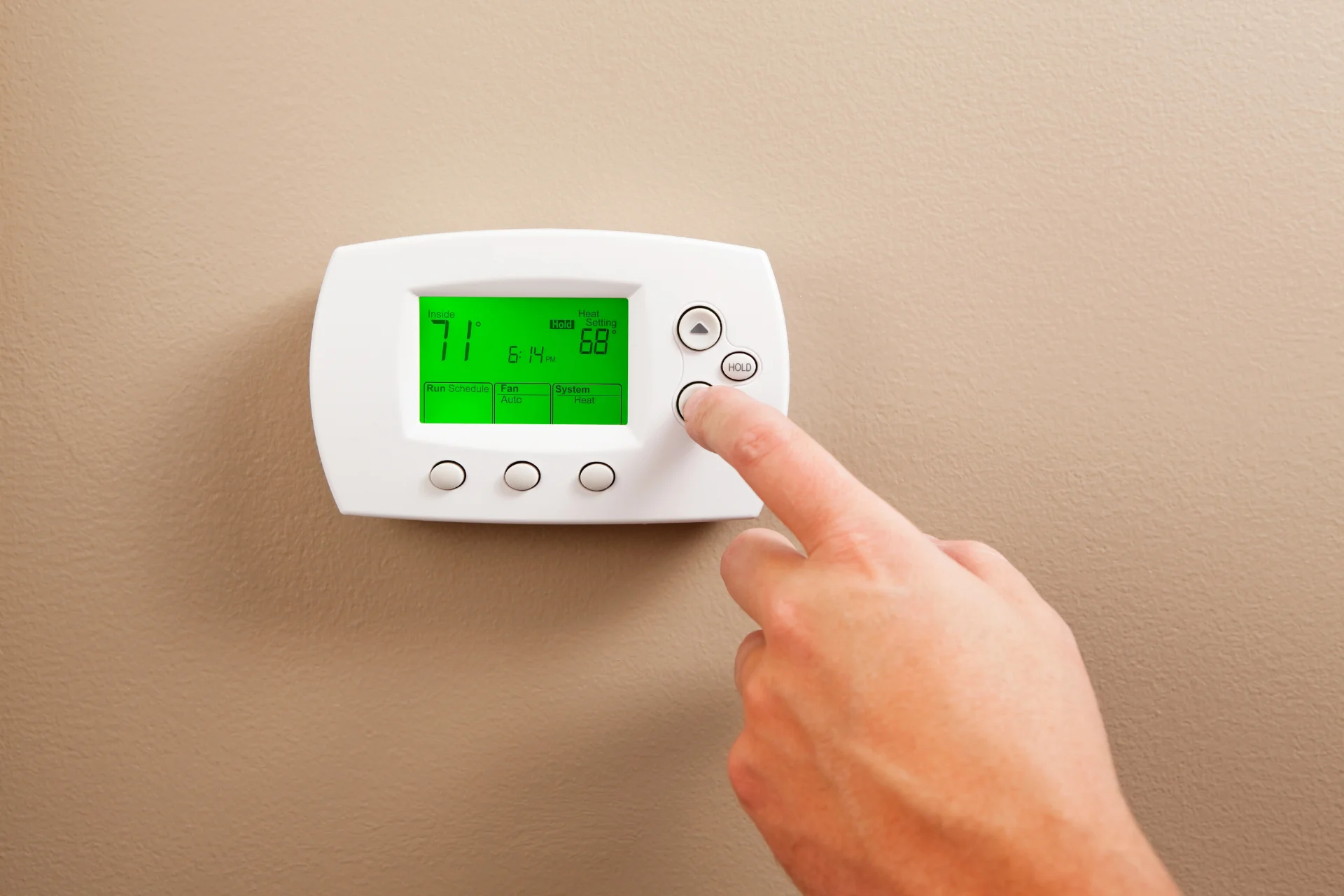
2. Have Your HVAC System Evaluated Before Temperatures Drop
Your heating system becomes one of the hardest-working parts of your home during winter.
If your furnace or heat pump hasn't been evaluated recently, fall is a practical time to schedule professional maintenance or an inspection.
A system that isn't operating properly may struggle to keep your home comfortable, consume more energy than necessary, or develop problems when you need heat most.
Signs your heating system may need attention
Pay attention to changes such as:
- Uneven temperatures throughout the house
- Unusual noises during operation
- Weak airflow from vents
- Frequent cycling on and off
- Unexpected increases in energy bills
- Persistent odors when the system runs
- Difficulty maintaining your thermostat setting
Some of these symptoms may have relatively simple explanations, such as a dirty filter or blocked vent. Others may indicate equipment problems that require professional diagnosis.
Should you repair or replace your furnace?
That depends on the system's age, condition, repair history, efficiency, and ability to heat your home reliably.
If your furnace is relatively new and has an isolated problem, a repair may be the most practical option. If it's older, needs frequent repairs, or struggles to maintain comfortable temperatures, replacement may be worth considering.
You should also evaluate the condition of your ductwork, thermostat, air filter, and other system components.
Before winter, have a qualified HVAC professional assess any persistent issues rather than waiting for a complete breakdown during freezing weather.
Don't overlook indoor comfort
If one bedroom is consistently colder than the rest of the house, replacing the furnace may not solve the problem by itself.
Airflow restrictions, duct leakage, insulation, window performance, and thermostat placement can all contribute to uneven temperatures.
A professional evaluation can help identify the cause so you can invest in the right solution.

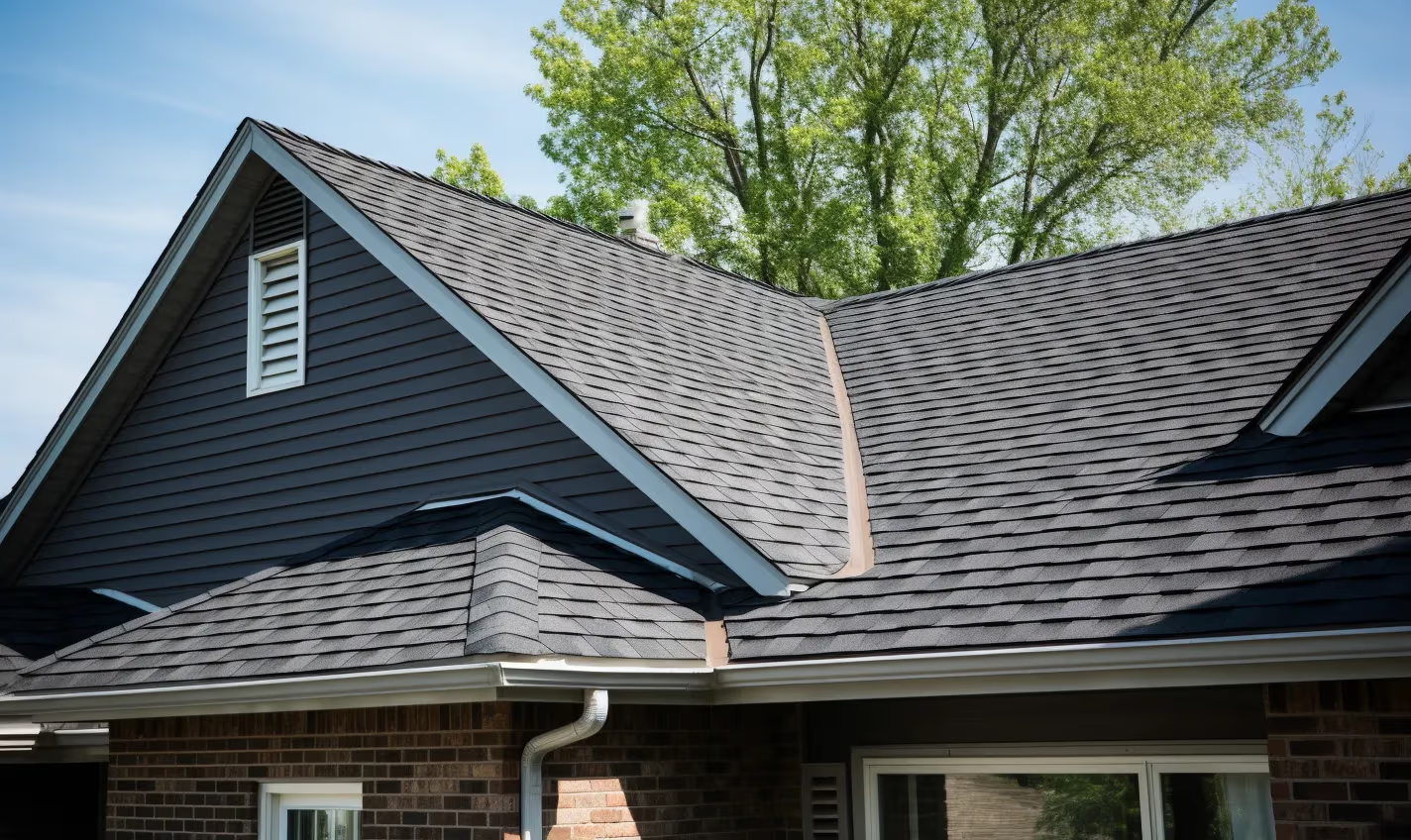
3. Inspect Your Roof for Damage Before Snow Arrives
Your roof protects your home from snow, rain, wind, and other weather conditions. If it's damaged or nearing the end of its useful life, winter can make existing issues more difficult to manage.
Colorado's weather can be particularly demanding on roofing materials. Hail, wind, intense sunlight, and repeated temperature changes can contribute to wear over time.
Fall is a good opportunity to look for visible damage and address concerns before winter weather complicates repairs.
Signs your roof may need repairs
Watch for:
- Missing or damaged shingles
- Shingles that appear loose or lifted
- Damaged flashing around chimneys or roof penetrations
- Visible deterioration around roof edges
- Water stains on ceilings or upper walls
- Signs of moisture in the attic
- Gutters collecting an unusual amount of roofing material
You may not be able to identify every roofing problem from the ground, and climbing onto a roof can be dangerous. If you suspect damage, arrange for a professional inspection.
Repair or replace your roof?
A localized issue may be repairable, while widespread deterioration or extensive damage may justify replacement.
The right decision depends on the roof's age, material, overall condition, and the extent of the damage.
If your roof has experienced hail or wind damage, document what you can safely observe and have the condition evaluated. Don't assume that every storm requires a replacement, and be cautious of contractors who pressure you into making an immediate decision without a clear assessment.
Why timing matters
Roofing work can be completed in colder weather under appropriate conditions, but temperature and weather can affect installation methods and scheduling.
Addressing known problems before snow and ice arrive can provide more flexibility and help reduce the chance that a manageable issue becomes an urgent repair.
4. Improve Attic Insulation and Air Sealing
If your home feels cold even when the heating system is running, the problem may involve more than the furnace.
Heat naturally moves from warmer areas toward colder ones. During winter, heat can escape through poorly insulated ceilings, walls, floors, and other parts of the building envelope.
Air leaks can also allow cold outdoor air to enter and warm indoor air to escape.
Improving insulation and sealing appropriate gaps can help maintain more consistent indoor temperatures and reduce unnecessary heating demand.
Signs your home may need better insulation
Consider investigating further if:
- Upstairs rooms are significantly colder than expected.
- The home feels drafty even with the windows closed.
- Snow melts unevenly across the roof.
- Heating bills seem unusually high for your home's size and usage.
- Certain ceilings or exterior walls feel noticeably cold.
- Indoor temperatures fluctuate considerably between rooms.
These signs aren't definitive proof of an insulation problem. HVAC performance, air leakage, solar exposure, and other factors can produce similar symptoms.
A home energy assessment can help identify where improvements are likely to be most effective.
Why attic insulation matters
Attics are an important part of the home's thermal envelope. If insulation levels are inadequate or air leaks allow heated air to enter the attic, the home may lose more heat than necessary.
The right improvements may include adding insulation, sealing suitable air leaks, improving attic access insulation, or addressing ventilation issues.
These measures need to be planned carefully. Attic ventilation, combustion appliances, electrical components, and moisture management should be considered before insulation work begins.
One important note: Don't block attic ventilation openings or cover heat-producing electrical equipment with insulation unless the installation specifically permits it.
5. Check Your Gutters and Downspouts
Gutters may not be the most exciting home improvement, but they play an important role in managing water around your home.
When gutters are clogged, damaged, or improperly draining, water can spill over the edges and collect near the foundation. In cold weather, that water can freeze and contribute to ice buildup.
Colorado's combination of snow, sun, and fluctuating temperatures makes proper drainage particularly important.
What should you look for?
Inspect your gutters and downspouts for:
- Leaves and other debris
- Sagging sections
- Loose fasteners
- Leaks at joints
- Damaged or disconnected downspouts
- Water spilling over the edges
- Drainage that directs water toward the foundation
Also check whether downspouts discharge water far enough away from the home's foundation to avoid creating pooling problems.
Should you install gutter guards?
Gutter guards may reduce the amount of debris that enters your gutters, but they don't eliminate maintenance entirely.
Their effectiveness depends on the product, surrounding trees, roof conditions, and local environment. Some systems can also require specific cleaning methods.
If you're regularly dealing with clogged gutters, compare the cost of guards with the time and maintenance required for your current setup.
Don't forget drainage
A gutter system is only part of the solution. Proper grading and drainage around the home also help direct water away from the foundation.
Before winter, address obvious drainage problems and consider professional help if water regularly collects near the house.

6. Protect Plumbing From Freezing Temperatures
Frozen pipes are one of the more disruptive problems homeowners can face during a Colorado cold snap.
When water freezes inside a pipe, it expands. That expansion can damage or rupture the pipe, potentially causing significant water damage when it thaws.
Pipes located in unheated spaces, exterior walls, crawl spaces, garages, and other exposed areas may be particularly vulnerable.
How to reduce the risk of frozen pipes
Before temperatures drop:
- Insulate accessible pipes in vulnerable areas.
- Seal drafts around plumbing penetrations where appropriate.
- Disconnect and drain outdoor hoses.
- Follow the manufacturer's instructions for winterizing outdoor faucets.
- Keep garage doors closed when plumbing is exposed to cold conditions.
- Maintain appropriate indoor temperatures during cold weather.
- Know where your main water shutoff is located.
If you have plumbing in an unheated garage or another exposed area, ask a plumber about suitable protection for your specific setup.
What if a pipe freezes?
If you suspect a frozen pipe, don't use an open flame to thaw it.
If a pipe has burst or is leaking, shut off the water supply if you can do so safely and contact a qualified plumber. If you cannot locate the shutoff or cannot stop the flow of water, seek emergency plumbing assistance.
Avoid ignoring reduced water flow during freezing weather, especially if the affected plumbing is located in a cold area of the home.
Should you remodel a bathroom before winter?
If you're already planning a bathroom remodel and have concerns about exposed plumbing, this may be a good time to discuss those issues with your contractor.
However, a bathroom renovation isn't automatically necessary to protect pipes. The right solution depends on the location, condition, and configuration of the plumbing.
7. Evaluate Your Electrical System for Winter Needs
Electrical systems often become more noticeable during winter, when homeowners spend more time indoors and may use additional lighting, appliances, and heating equipment.
If your home has an outdated electrical panel, limited outlets, recurring breaker trips, or plans for new equipment, fall can be a useful time to evaluate whether upgrades are needed.
Signs your electrical system needs attention
Look for issues such as:
- Breakers that trip repeatedly
- Flickering lights
- Warm or discolored outlets
- Buzzing or crackling sounds from electrical equipment
- Insufficient outlets for everyday needs
- A panel that cannot accommodate planned electrical additions
- Damaged cords or outlets
These symptoms can have different causes, and some may indicate serious hazards. If you notice burning smells, smoke, melted components, or significant heat around electrical equipment, stop using the affected equipment or circuit and seek prompt professional assistance.
Do not repeatedly reset a breaker without determining why it trips.
Consider the electrical projects you've been postponing
Fall can also be a good time to plan electrical improvements you've wanted to make.
Depending on your home, these might include:
- Adding outlets in a home office
- Installing updated interior lighting
- Adding a dedicated circuit for an appliance
- Installing an EV charger
- Preparing for a hot tub
- Evaluating generator installation
- Upgrading an electrical panel when necessary
Any major electrical addition should be evaluated for capacity, installation requirements, and applicable code compliance.
What about a backup generator?
A standby generator can provide backup power to selected circuits or a broader portion of your home, depending on the system and its configuration.
Before investing in one, consider which equipment you want to keep running during an outage, your fuel options, and the installation requirements.
A generator is not essential for every household, but it may be worth evaluating if reliable backup power is a priority for your home.
8. Seal Exterior Gaps Around Doors and Other Openings
Even relatively small gaps around doors and other exterior openings can affect comfort during cold weather.
Air leakage can make nearby rooms drafty, allow outdoor air to enter, and increase the workload on your heating system.
Before winter, inspect the areas where different building materials meet and where doors or other openings connect to the exterior.
Common places to check
Pay attention to:
- Exterior door weatherstripping
- Gaps beneath exterior doors
- Window frame edges
- Openings around utility penetrations
- Garage entry doors
- Damaged exterior caulking
- Gaps around accessible foundation penetrations
The appropriate repair depends on the location and material. Weatherstripping may help around a door, while suitable sealant may be appropriate for certain exterior gaps.
Not every opening should be sealed indiscriminately. Some gaps serve drainage or ventilation purposes, and combustion appliances may require specific air supplies.
If you're unsure what a gap does, have it evaluated before sealing it.
Would a new exterior door help?
If your exterior door is damaged, poorly fitted, or no longer seals properly, replacement may improve comfort and security.
However, a new door isn't always necessary. Adjusting the existing door or replacing worn weatherstripping may be enough to address a minor issue.
The goal is to identify the source of the draft rather than replacing components without a clear reason.
9. Improve Bathroom Ventilation and Address Moisture Problems
Winter often means keeping windows closed and spending more time indoors. As a result, managing indoor moisture becomes especially important.
Bathrooms generate moisture through showers, baths, and everyday use. If that moisture isn't properly exhausted, it can contribute to condensation and persistent humidity.
Over time, excess moisture can damage finishes and create conditions that support mold growth.
Signs your bathroom ventilation needs attention
Look for:
- Mirrors that remain fogged long after showering
- Persistent condensation
- Peeling paint near the ceiling
- Musty odors
- Visible mold or mildew
- Moisture damage around windows or finishes
A properly sized and functioning exhaust fan can help remove moisture from the bathroom.
The fan should be vented appropriately to the outdoors, not into an attic or another enclosed space. It should also be used according to the manufacturer's guidance, particularly during and after bathing.
When should you consider a bathroom remodel?
If your bathroom has persistent moisture damage, outdated fixtures, inadequate ventilation, or a layout that no longer meets your needs, a remodel may provide an opportunity to address multiple issues at once.
For example, a bathroom renovation could include improved ventilation, updated plumbing fixtures, new surfaces, and a better shower layout.
However, persistent moisture should be investigated before simply covering it with new finishes. The source of the moisture needs to be identified and corrected.
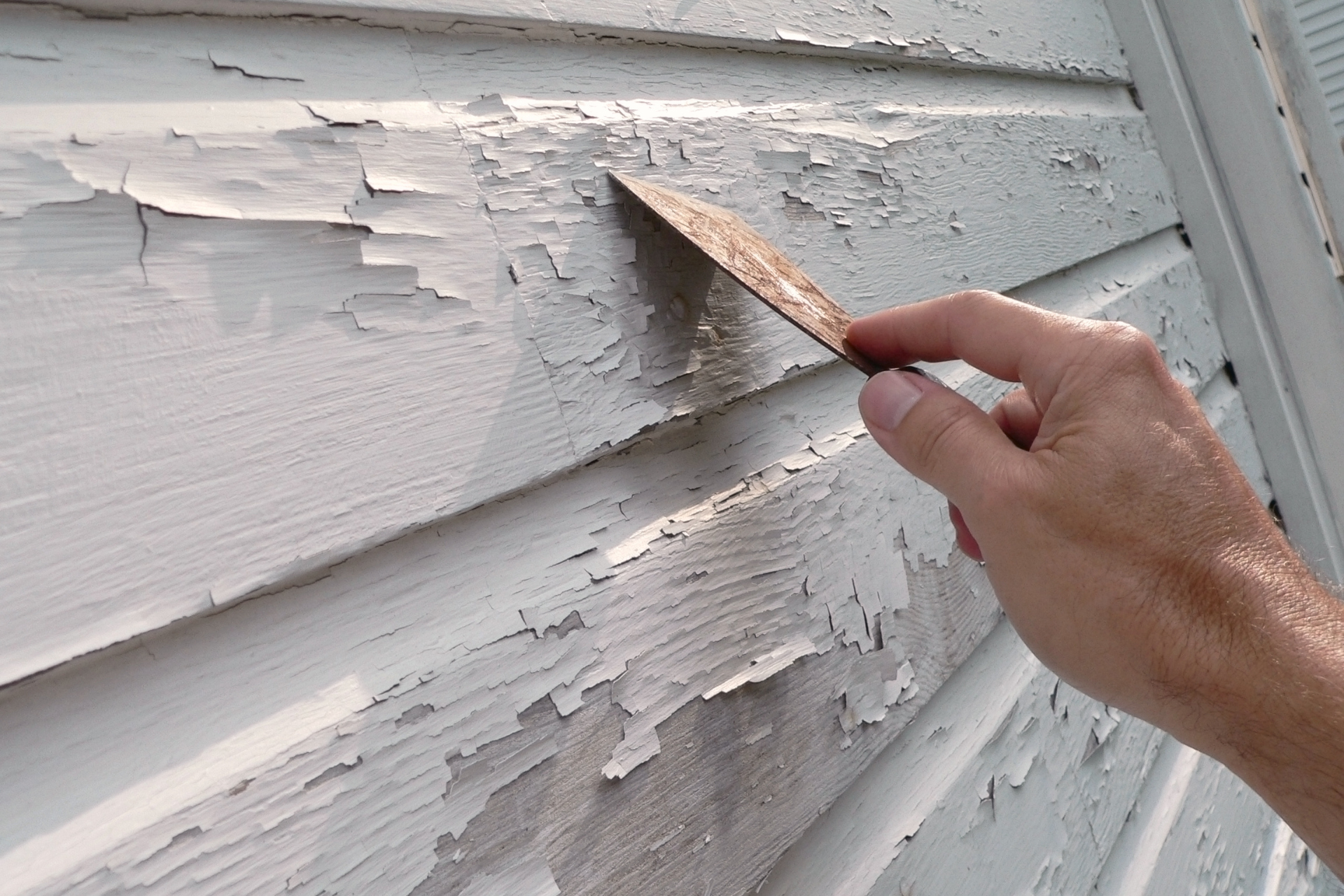
10. Address Exterior Paint, Siding, and Other Signs of Wear
Your home's exterior helps protect the structure from weather. Damaged paint, deteriorating caulk, loose siding, and other exterior issues can allow moisture to reach areas that should remain protected.
Fall is a good time to inspect these components and determine whether repairs are needed.
What should you inspect?
Walk around the property and look for:
- Peeling or cracking paint
- Loose or damaged siding
- Deteriorating exterior trim
- Gaps around windows and doors
- Exposed wood
- Damaged sealant around appropriate joints
- Areas where water collects against the house
Pay attention to the sides of the home that receive more wind-driven precipitation or direct sunlight, since exposure can vary significantly around a property.
Is fall a good time to paint your home's exterior?
It can be, but the timing depends on the product, surface condition, temperature, and weather forecast.
Many paints and coatings have specific temperature and moisture requirements. Cold temperatures, damp surfaces, and overnight temperature drops can affect application and curing.
Before scheduling exterior painting, confirm that the product can be applied under the expected conditions.
If temperatures are already outside the manufacturer's recommended range, it may be better to address urgent repairs and schedule painting when conditions are suitable.
Don't ignore small areas of deterioration
A small section of damaged trim or siding may be relatively straightforward to repair. Leaving it unaddressed can allow deterioration to spread, depending on the source of the problem.
If you find extensive damage or signs of moisture behind exterior materials, arrange for a professional evaluation before covering the area with new paint or siding.
Bonus: Consider Improvements That Make Winter More Comfortable
The 10 projects above address common maintenance and upgrade priorities, but winter preparation can also include improvements that make your home easier to live in.
Depending on your home's condition and your budget, you might consider the following.
Upgrade interior lighting
Shorter days mean more time using artificial lighting. Replacing outdated fixtures or adding task lighting can improve visibility and make frequently used spaces more functional.
Consider kitchens, entryways, stairways, workspaces, and other areas where better lighting would make a noticeable difference.
Improve entryway storage
Winter coats, boots, gloves, and wet gear can quickly clutter a home.
A more functional entryway might include hooks, closed storage, a bench, durable flooring, and a designated place for shoes.
Even a relatively small improvement can make daily routines easier.
Improve basement comfort
If your basement is consistently cold, investigate the underlying cause before adding decorative finishes or space heaters.
Insulation, air leakage, ductwork, moisture, and the condition of the existing heating system may all play a role.
If you're already considering finishing or remodeling your basement, this is a good time to evaluate those factors as part of the project.
Plan a kitchen or bathroom remodel
If your kitchen or bathroom has needed an update for a while, winter can be a convenient season to plan the project, compare materials, and coordinate contractors.
The best timing depends on the scope of work, product lead times, and your household's schedule.
A well-planned renovation can improve functionality and comfort long after winter has passed.
Which Home Improvements Should You Prioritize Before Winter?
If your budget doesn't allow you to tackle every project, focus on issues that affect safety, prevent damage, or interfere with essential systems.
A practical priority order is:
1. Address immediate safety concerns. Electrical hazards, suspected gas leaks, unsafe heating equipment, and other urgent problems should take priority over cosmetic improvements.
2. Prevent water damage. Roof leaks, vulnerable plumbing, drainage problems, and moisture intrusion deserve prompt attention.
3. Make sure essential systems work properly. Heating problems, damaged windows, and significant air leaks can affect winter comfort.
4. Improve efficiency where it makes sense. Insulation, air sealing, and targeted window improvements may be worthwhile after more urgent problems are addressed.
5. Plan elective upgrades. New finishes, lighting, storage, and larger remodeling projects can be scheduled around your budget and the time needed to complete them.
This order isn't a substitute for a professional assessment. The appropriate priority depends on your home's actual condition and the severity of any problems.
Should You Complete Home Improvements Before Winter or Wait Until Spring?
Not every project needs to be completed before the first snowfall.
Some improvements are best handled before cold weather arrives, while others can be planned for spring or another suitable season.
Projects worth evaluating early
Consider addressing these issues promptly if you notice a problem:
- Roof leaks or visible roof damage
- Heating system malfunctions
- Vulnerable plumbing
- Significant window drafts or damage
- Electrical safety concerns
- Gutters that aren't draining properly
- Exterior openings allowing water intrusion
These projects may prevent existing issues from becoming more difficult to manage during winter.
Projects that may be scheduled later
Depending on their urgency, larger elective projects such as full exterior painting, major landscaping changes, or certain exterior renovations may be better suited to warmer weather.
Interior remodeling can often proceed during winter, but scheduling, material availability, and the project's impact on your daily routine should be considered.
The important thing is to separate necessary repairs from improvements that can comfortably wait.
How Much Should You Budget for Winter Home Improvements?
There is no single budget that works for every home.
The cost of preparing a home for winter depends on its age, size, existing condition, and the improvements required.
Replacing worn weatherstripping is a very different investment from replacing an entire roof or HVAC system.
Before committing to a project, consider:
- Whether the work addresses an urgent problem
- The cost of repairing versus replacing existing components
- Potential energy savings, without assuming a guaranteed payback
- The expected lifespan of the improvement
- Whether multiple projects can be coordinated efficiently
- Any applicable permits or code requirements
- The possibility of additional repairs once work begins
For larger projects, request a detailed estimate that explains the scope, materials, labor, and any exclusions.
If you're considering several improvements, you may be able to coordinate some of them as part of a larger project. For example, a remodel might provide an opportunity to update lighting and address related electrical work while the space is already under construction.
Avoid choosing upgrades based on projected savings alone. The best investment is one that solves a real problem, fits your budget, and makes sense for your home.
Frequently Asked Questions About Preparing Your Home for Winter in Colorado
When should I start preparing my home for winter in Colorado?
It's wise to start evaluating your home in late summer or early fall, before cold weather creates scheduling challenges. This gives you time to arrange inspections, compare estimates, order materials, and complete repairs while conditions are still suitable for the work.
You don't need to complete every improvement in one season. Prioritize urgent repairs and projects that protect your home from winter conditions.
What is the most important home improvement before winter?
There isn't one answer for every property. A home with a failing furnace may need heating repairs first, while a house with a roof leak or vulnerable plumbing may need those issues addressed immediately.
Start with safety concerns and problems that could lead to property damage. Then evaluate comfort and efficiency improvements.
Do I need to replace my windows before winter?
Not necessarily. If your windows are in good condition, basic maintenance or weatherstripping may be sufficient. Replacement may be worth considering when windows are damaged, poorly sealed, difficult to operate, or contributing to persistent comfort problems.
An assessment can help determine whether repair or replacement is appropriate.
Should I service my furnace every fall?
Following the manufacturer's maintenance recommendations is a good practice. A professional HVAC service visit can help identify certain problems, check system operation, and address maintenance needs before the heating season.
The appropriate service depends on your equipment and its condition.
How can I prevent frozen pipes in Colorado Springs?
Insulate vulnerable pipes, protect outdoor faucets according to manufacturer instructions, seal appropriate drafts, maintain suitable indoor temperatures, and know where your main water shutoff is located.
Pay particular attention to pipes in unheated spaces, garages, crawl spaces, and exterior walls.
Is it worth improving attic insulation before winter?
It can be, particularly if your home has inadequate insulation or significant air leakage. The benefits depend on the existing conditions, the improvement required, and how your home uses energy.
An energy assessment can help identify where insulation or air sealing is likely to make the biggest difference.
Should I replace my roof before winter?
If your roof is leaking, damaged, or showing signs of widespread deterioration, have it evaluated promptly. A professional can determine whether repairs are sufficient or replacement is warranted.
Not every older roof needs immediate replacement, and the decision should be based on its condition rather than age alone.
Can I remodel my bathroom during winter?
Yes. Many bathroom remodeling projects can be completed during winter. Scheduling depends on the project's scope, material availability, and whether plumbing or other systems need significant changes.
If the bathroom has moisture damage or ventilation problems, make sure those underlying issues are addressed as part of the work.
What home improvements can help lower heating costs?
Depending on your home's condition, improvements such as air sealing, insulation, heating system maintenance, and addressing inefficient windows may help reduce energy use.
Actual savings vary based on the home's construction, energy prices, weather, and how the systems are used. Consider an energy assessment before making major investments.
Get Your Home Ready for Winter With HOMEfix
Preparing for winter doesn't have to mean tackling every project on your home improvement list.
Start by identifying the issues that affect safety, comfort, and the condition of your home. From there, prioritize repairs and upgrades that make sense for your budget and long-term plans.
Whether you need help with windows, roofing, HVAC, plumbing, electrical work, painting, or a larger interior remodel, HOMEfix helps homeowners throughout Colorado Springs bring their home improvement projects together.
Our team can help you evaluate your needs, plan the work, and determine which improvements are worth addressing now.
One team. Every service.
Contact HOMEfix to discuss your next home improvement project and get your home ready for the colder months ahead.